Loading...
Serving La Mesa, CA and surrounding areas. (858) 878-6007
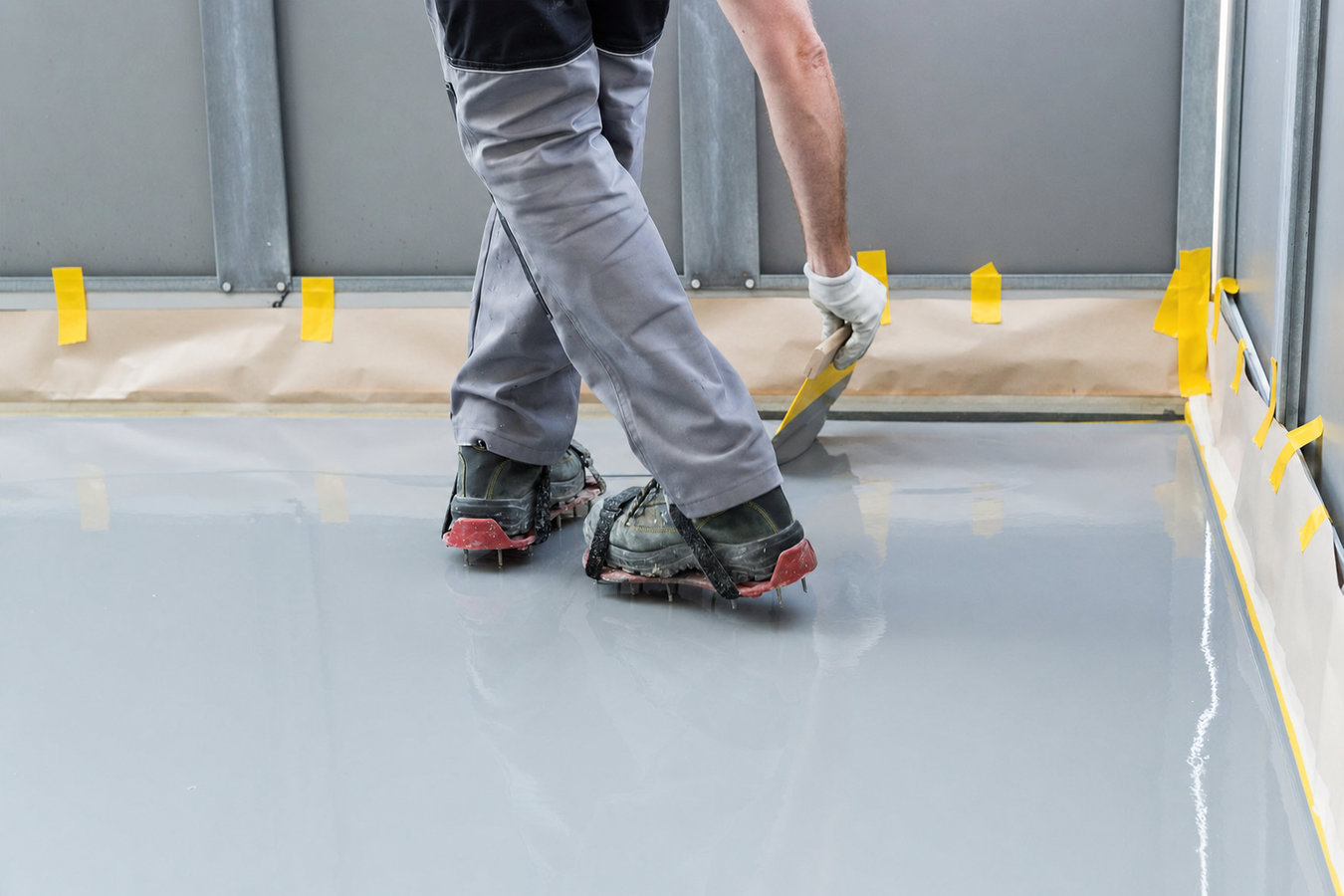
La Mesa sun breaks down unprotected concrete fast. A properly applied sealer keeps moisture, oil, and UV damage out - and makes every spill easy to wipe away.
Concrete sealing in La Mesa puts a thin protective layer over your driveway, patio, or garage floor that keeps water, oil, and dirt from soaking in - most jobs finish in one day, with the surface ready for foot traffic within 24 hours and vehicles within 48 to 72 hours.
Think of a good sealer as a raincoat for your concrete. The surface still looks like concrete, but spills and weather cannot get a grip on it. In La Mesa, where the sun is strong year-round and UV readings stay high from spring through fall, unsealed concrete fades and weakens faster than homeowners expect. Driveways and patios that looked fine two summers ago can go chalky and porous quickly once the existing protection wears off.
If the surface also has cracks, flaking, or old coating residue, the right first step is concrete grinding and surface preparation before any sealer goes down - applying a sealer over a compromised surface just locks in the problem.
Pour a small cup of water on your driveway or patio. If it soaks in within a minute or two and darkens the surface, the sealer has worn off and the concrete is unprotected. Sealed concrete makes water bead up on the surface the same way it beads on a freshly waxed car. This simple test takes 30 seconds and gives you a clear answer.
La Mesa's intense year-round sun is hard on unprotected concrete. If your driveway or patio has gone from a consistent gray to a patchy, washed-out look, the UV exposure has broken down whatever protection was there. Resealing restores an even appearance and puts that UV barrier back in place before the surface deteriorates further.
If you are seeing dark oil spots from a parked car or orange-brown rust streaks from a metal planter or furniture leg, your concrete is absorbing those stains rather than resisting them. Once concrete is properly sealed, those same spills wipe off the surface instead of soaking in and setting.
Hairline cracks are normal in older concrete, but leaving them open lets water in. In La Mesa, even light rain events can push water into those cracks and widen them over time through the wet-dry expansion cycle common in San Diego County's clay soils. If the cracks are fine and the slab is otherwise solid, a minor repair followed by sealing is the right move to stop the damage.
Not every surface calls for the same sealer. A penetrating sealer soaks into the concrete and protects it from the inside - it is nearly invisible on the surface but effectively blocks water and oil from getting in. That makes it a strong choice for older La Mesa driveways and walkways where homeowners want protection without changing how the concrete looks. A surface coating sits on top and creates a visible film that can be glossy or matte - it looks great and makes the color pop, but needs to be reapplied more often because it wears off with traffic and sun exposure.
Before any sealer goes down, the surface has to be completely clean and dry. We pressure wash, degrease, and inspect the concrete before we apply anything - oil, dirt, or moisture trapped underneath will cause the sealer to peel or blister. If the surface has deeper issues that cleaning alone cannot fix, we will talk about whether concrete resurfacing and overlays or polished concrete would be a better long-term solution for your specific situation.
Best for driveways, walkways, and outdoor patios where the homeowner wants long-lasting protection without changing the natural look of the concrete.
Best for surfaces where a matte or gloss finish is desired - adds a light sheen that enriches the color and is easy to reapply when the time comes.
Best for garage floors that need oil and chemical resistance but are not ready for a full epoxy coating - provides a clean, durable base at a lower investment.
Best after crack repairs or a light grind - seals the repaired surface so it is protected from day one and blends evenly with the surrounding concrete.
La Mesa's year-round sunshine is one of the most appealing things about living here - but it is genuinely hard on unprotected concrete. UV index readings regularly hit the high range from spring through fall, and the dry heat accelerates the breakdown of surface sealers faster than in cooler or cloudier climates. National guides often quote sealer lifespan at four to five years, but in La Mesa's UV environment, planning to reseal every two to three years is more realistic for surfaces that get full sun. The La Mesa housing stock, much of it built between the 1950s and 1970s, includes driveways and patios that have had decades of sun working on them - older concrete often needs more thorough cleaning and minor crack repair before sealing will adhere properly.
La Mesa also gets periodic heavy rain events, especially during El Nino winters. Those downpours can push water, rust, and mineral deposits across unsealed concrete, leaving stains that are difficult to remove once they have set. Sealing before the rainy season - typically October through March - is a practical way to make post-storm cleanup much easier. Homeowners in Lemon Grove and Spring Valley deal with the same UV and rain-season conditions and benefit from the same sealing timeline.
Tell us about the surface - driveway, patio, garage floor, or a combination - and give us a rough sense of the size. We will get back to you within one business day to schedule a free on-site visit, because the condition of the concrete matters as much as the square footage.
We walk the surface and check for cracks, stains, and any spots where the concrete has settled unevenly. We explain what we find in plain terms, discuss which sealer type fits your surface and goals, and show you what different finishes look like before you commit.
The crew pressure washes the entire surface, degrease any oil spots, and allows the concrete to dry completely before applying the sealer. Most jobs require two thin coats rather than one thick one, with drying time between coats - the full application typically takes one to three hours depending on surface size.
We walk the finished surface with you before we leave, show you what a properly sealed surface looks and feels like, and tell you exactly when to expect to reseal based on your sun exposure. Stay off for 24 hours on foot and 48 to 72 hours for vehicles.
Free estimate, no obligation. We will come out, check your surface, and give you a clear written quote - no sales pressure, just honest answers.
(858) 878-6007We use sealers rated for high-UV environments - not generic products that may hold up fine in Seattle but break down after a single La Mesa summer. Choosing the right product for this climate is one of the most important decisions in any concrete sealing job, and it is one we make with your specific surface and sun exposure in mind.
Before we leave, we show you what a properly sealed surface looks like, explain what to watch for over the coming years, and tell you a realistic timeline for when to reseal. You should never finish a job wondering whether it was done right - that conversation is part of how we work on every project.
Many La Mesa neighborhoods are governed by homeowners associations that have rules about the appearance of driveways and exterior surfaces. We ask about HOA requirements before we start, so the finish we deliver is one that protects your concrete and meets your association's guidelines - avoiding back-and-forth after the fact.
California law requires contractors doing work on your home for more than $500 to hold a valid license through the California Contractors State License Board. Our license is active and verifiable on the CSLB website. The American Concrete Institute sets the standards for surface preparation and sealer application that guide how we work on every job.
Concrete sealing is one of the most cost-effective things you can do for a surface that is still structurally sound. Done right, it extends the life of your concrete and protects you from a much larger replacement cost down the road.
When sealing alone is not enough and the surface needs a fresh layer of material before protection can be applied.
Learn MoreA permanent, sealed concrete finish that never needs re-coating - polished concrete is protected as part of the finishing process.
Learn MoreSpots fill up fast heading into fall - lock in your date now and protect your concrete before the next storm hits.